Experienced Roofing Services: Defend Your Home With Quality Construction
Putting money into professional roof services is vital for protecting a home's foundational stability. Skilled craftsmanship not only avoids typical problems such as water infiltration and storm damage but also improves the home's market worth. Homeowners should evaluate the long-term benefits of skilled professionals who use premium products. Recognizing the significance of these services can lead to improved choices for home maintenance and protection. What considerations should homeowners weigh when selecting a roofing contractor?
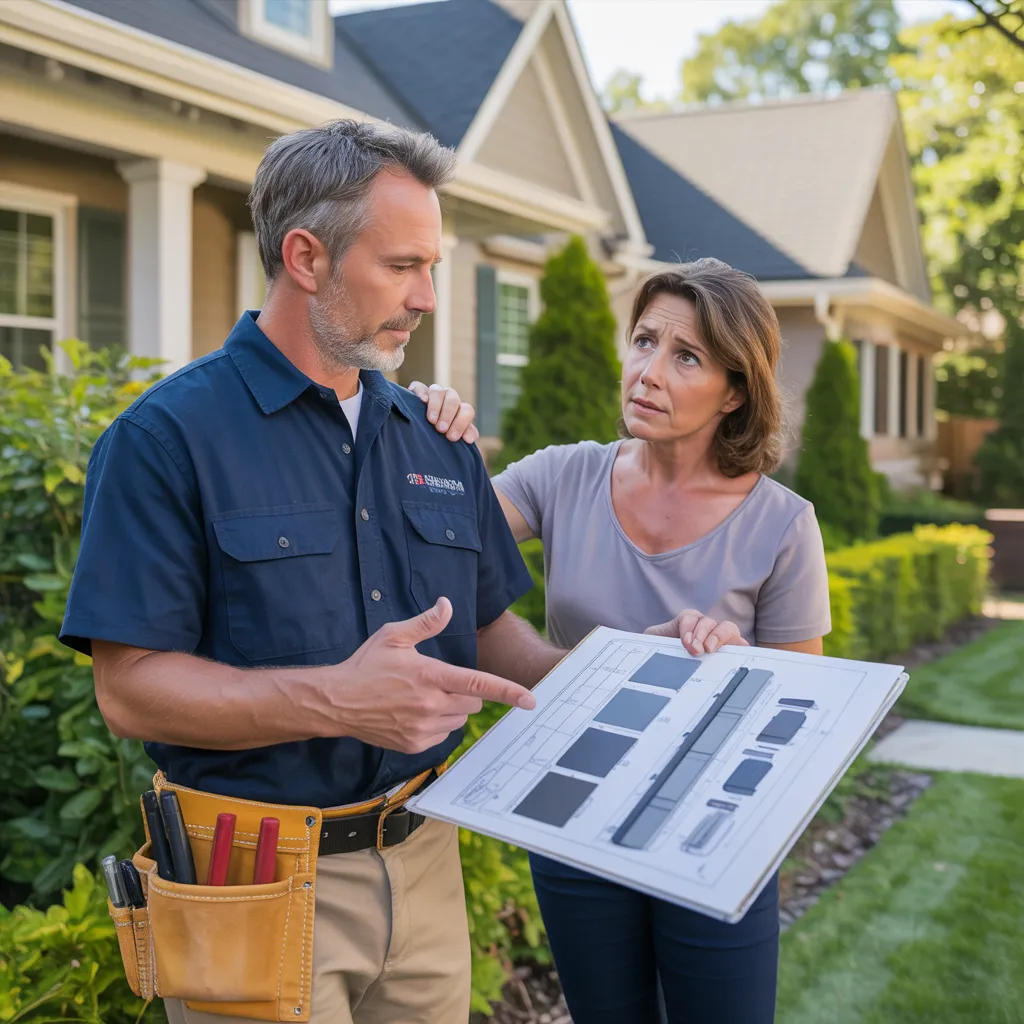
How Quality Roofing Maintains Your Home Equity
Quality roofing provides a critical barrier against the elements, maintaining a home's structural durability and overall value. A solidly constructed roof prevents water infiltration, which can lead to mold, rot, and costly repairs. It also protects against wind damage and extreme temperatures, ensuring that insulation remains effective, thereby strengthening energy efficiency. Quality materials, such as asphalt shingles or metal roofing, support longevity and reduce the need for frequent maintenance or replacement.
Furthermore, a excellent roof enhances curb appeal, boosting the home's market value. Prospective purchasers are often discouraged by signs of roofing problems, which can decrease a property's resale value. Investing in quality roofing not only provides instant safeguarding but also acts as a long-term investment that yields returns in the form of lower insurance costs and increased equity. Property owners who emphasize high-quality roofing ultimately protect their monetary stakes in the property.
Top 5 Reasons to Select Professional Roofing Services
Choosing experienced roofing services can greatly affect the longevity and reliability of a home’s roof. Firstly, experienced professionals have broad knowledge and experience, confirming that installations and repairs adhere to industry standards. Secondly, examine now expert roofing services often offer warranties, delivering peace of mind and protecting the homeowner’s investment. Thirdly, they use premium materials to improve durability and strength against harsh weather conditions. Fourthly, professionals ensure adherence to local building codes and regulations, mitigating the chances of legal problems in the future. Lastly, by hiring experts, homeowners gain efficient project completion, cutting down interruptions to daily life. These five factors highlight the importance of choosing expert roofing services to secure both the roof and the overall value of the home. Investing in professionals not only improves structural integrity but also enhances the long-term upkeep and visual appeal of a home.
Essential Qualities to Consider in a Roofing Contractor
When picking a roofing contractor, several key qualities are essential for ensuring a successful project. Expertise and expertise in the field, along with proper licensing and insurance, offer a foundation of dependability. Additionally, the application of quality materials can greatly impact the durability and effectiveness of the roofing solution.
Background and Expertise
Navigating the realm of roofing contractors demands a sharp eye for experience and expertise. Homeowners should focus on contractors with a demonstrated track record of successful projects, as this shows trustworthiness and competence. Experienced contractors are usually well-versed in different roofing materials and techniques, ensuring they can tackle varied challenges efficiently. Additionally, proficiency often translates into better problem-solving abilities, which can avoid issues during installation or repairs. Engaging a contractor with broad knowledge can also lead to valuable recommendations that enhance the roofing system's longevity and performance. Ultimately, selecting a contractor who represents both experience and expertise is crucial for protecting the integrity of one’s investment in roofing services.
Licenses and Insurance
A established roofing contractor should always maintain valid licensing and insurance, which are crucial indicators of professionalism and accountability. Licensing ensures that the contractor adheres to industry standards and regulations, providing peace of mind to property owners. It also demonstrates the contractor's dedication to quality workmanship and adherence to safety protocols. Insurance, on the other hand, guards both the contractor and the homeowner from conceivable liabilities. In the event of an accident or damage during the roofing project, adequate insurance coverage can prevent costly financial repercussions. As such, confirming a contractor's licensing and insurance status is necessary. Homeowners are encouraged to request documentation and confirm its validity before engaging any roofing services, guaranteeing a safer and more reliable roofing experience.
Top-Tier Elements Incorporated
Quality materials are paramount in the endurance and efficiency of a roof infrastructure. When engaging a roofing contractor, it is vital to inquire about the range of supplies they use. Top-tier shingles, underlayment, and flashing can powerfully improve structural integrity and weatherproofing to weather elements. Contractors should furnish products that satisfy with professional benchmarks and have established reliability. Additionally, energy-efficient options may facilitate reduced energy spending. Homeowners should also consider material protection plans, as these can reflect the manufacturer's confidence in their products. By prioritizing quality materials, homeowners can guarantee that their roof project is protected, ultimately leading to decreased repair spending and expanded roof durability.
Popular Roofing Materials and Their Benefits
When analyzing roofing options, homeowners regularly weigh the advantages of various materials. Asphalt shingles, metal roofing, and tile roofing each deliver distinct advantages that satisfy different needs and preferences. Understanding these materials can help in determining the best choice for long-term roofing solutions.
Asphalt Shingles Guide
Asphalt shingles remain one of the most widely used roofing materials due to their cost-effectiveness and flexibility. Offered in a range of colors and styles, they can enhance any architectural design, making them a preferred choice for homeowners. These shingles are made of a fiberglass mat covered with asphalt and mineral granules, delivering durability and weather resistance. Their ease of installation leads to lower labor costs, further improving their appeal. Additionally, asphalt shingles typically have a lifespan of 15 to 30 years, depending on the quality chosen. They also provide good fire resistance and can be reused at the end of their life cycle, making them an eco-conscious option. Overall, asphalt shingles provide a cost-effective solution for roofing needs.
Metal Roof Assets
Metal roofing offers a strong alternative to traditional materials, recognized for its exceptional strength and longevity. This roofing style can endure extreme weather conditions, such as heavy rain, snow, and high winds, rendering it appropriate for a range of climate zones. Furthermore, metal roofs are resistant to rust, corrosion, and pests, which further extends their durability. They are also energy-efficient, bouncing back solar heat and potentially lowering cooling costs. Available in multiple designs and hues, metal roofing improves a property's aesthetic appeal while providing significant value. Moreover, many metal roofing options are made from recycled materials, presenting an environmentally friendly choice. Overall, the advantages of metal roofing render it a compelling option for homeowners seeking long-lasting protection and efficiency.
Tile Roofing Advantages
Tile roofing is distinguished as another popular choice among homeowners, celebrated for its unique blend of aesthetics and functionality. One of the main advantages of tile roofing is its robustness; tiles can tolerate extreme weather conditions, including heavy rain and extreme temperatures. Moreover, tile roofs are flame-resistant, adding an extra layer of safety. Their longevity often exceeds that of other materials, making them a cost-effective choice over time. Tile roofing also offers excellent insulation properties, which can aid in reducing energy costs. The variety of styles and colors available allows homeowners to improve their property’s curb appeal. All in all, tile roofing presents a solid investment, combining beauty, resilience, and efficiency for discerning homeowners.
How Outstanding Workmanship Impacts Roof Lifespan
Quality craftsmanship is crucial for guaranteeing a roof's longevity and performance. When experienced contractors handle roofing projects, they employ high-quality materials and accurate techniques, which directly influence the roof's durability. Careful consideration, from proper installation methods to compliance with building codes, reduces vulnerabilities that could lead to leaks or structural damage.
Furthermore, seasoned roofers understand the distinct demands of various roofing materials, permitting them to adjust their method for optimal results. This knowledge not only strengthens the roof's lifespan but also guarantees that it can resist environmental difficulties such as adverse weather patterns.
Investing in quality craftsmanship also produces minimal repair needs over time, ultimately safeguarding homeowners from unexpected expenses. To summarize, the role of quality craftsmanship in roofing cannot be overstated; it is fundamental for achieving a long-lasting and effective roof that protects one's investment.
Maintenance Tips to Shield Your New Roof Investment
Guarding a fresh roof investment requires preventive servicing to guarantee its lasting power and performance. Regular inspections are indispensable; homeowners should check for indications of deterioration or injury at least twice a year and after severe weather events. Flushing gutters and downspouts inhibits water pooling, which can lead to moisture intrusion. In addition, sweeping away debris such as fallen foliage and branches helps maintain proper drainage.
Applying and re-sealing vulnerable sections affected by weather exposure can boost the roof's life expectancy. Property owners should verify sufficient ventilation in the attic to avert accumulation of moisture and roof deterioration. It is recommended to prune protruding branches to minimize the risk of damage during storms.
Conclusively, employing a professional roofing service for continuous inspections can reveal problems at the start, ensuring the roof stays in first-rate shape. By committing to these maintenance tips, homeowners can maintain their investment and achieve confidence for years to come.
Common Asked Questions
How much time Does a Typical Roofing Installation Take?
A regular roofing installation usually takes 1-3 days, depending on the scale and difficulty of the work. Atmospheric conditions and the type of materials used can also affect the overall timeline markedly.
Which Coverage Can You Get for Roof Services?
Multiple warranties are accessible for roof installation, encompassing component guarantees, installation guarantees, and extended warranties. These warranties usually include imperfections and water damage, ensuring the homeowner's investment is secured for a predetermined period after installation.
Can I Install a New Roof Over My Old One?
Yes, putting in a new roof over an old one is possible, provided it meets local building codes and structural integrity requirements. However, experts suggest removing old layers for improved long-term durability and warranty coverage.
How Do Weather Conditions Affect Roof Installation?
Environmental circumstances substantially influence roofing installation, as extreme temperatures, precipitation, and wind can compromise material adhesion and durability. Strategic timing during favorable weather assures optimal functionality and extended life of the roofing system.
What should I Do if My Roof Leaks?
In the event of a roof water intrusion, you should contain the water initially, then inspect for the source of the leak. Provisional fixes can be made with tarps, while professional services is suggested for permanent solutions to prevent further damage.